

Just last week, I was sipping tea in a London café when my phone pinged with a notification: “New AR game drops now.” Within five minutes, I was standing in a virtual alley, fighting dragons that looked almost real. That’s the speed at which mobile games are reshaping how we spend our free time.
1. Instant Access Drives Daily Play
In the UK, 62 % of adults own a smartphone that can run full‑size games. Because downloads finish in under a minute, people are slipping into a game during the bus ride, the queue at the post office, or while waiting for a dentist appointment. The result? Daily playtime has risen by 18 % over the past year, according to a recent market study.
2. Augmented Reality Turns Ordinary Streets Into Playgrounds
AR titles like Pokémon Go and Harry Potter: Wizards Unite have pushed developers to map real‑world locations. In Manchester, a street that once hosted only coffee shops now hosts virtual treasure hunts that attract up to 3,000 participants on a weekend. This blurs the line between physical and digital entertainment.
3. Micro‑transactions Create a New Revenue Model
Unlike console games that charge a flat fee, mobile titles often offer free downloads with in‑app purchases. In 2023, UK mobile gaming revenue hit £1.1 billion, a 12 % increase from 2022. The bulk of this comes from cosmetic items—skins, avatars, and power‑ups—costing between £0.99 and £9.99. Players who spend above £20 a month are classified as “high‑value,” and some studios now tailor content specifically for them.
4. Social Features Turn Solo Games Into Community Events
Cross‑platform leaderboards and in‑game chat have turned solitary play into social gatherings. In the UK, a survey found that 47 % of mobile gamers join online communities to discuss strategies or trade items. This social layer has led to spontaneous meet‑ups in parks and cafés, further integrating gaming into everyday life.
5. The Rise of Mobile Esports and Streaming
Competitive titles like Clash Royale and Mobile Legends now host tournaments with prize pools exceeding £50,000. Viewers on platforms such as Twitch and YouTube Gaming watch over 2 million UK streams monthly. This visibility encourages more casual players to try competitive play, expanding the audience base.
6. Mobile Gaming Influences Other Entertainment Sectors
Film studios are partnering with game developers to create interactive trailers. In 2024, the UK release of a blockbuster movie included a companion mobile game that unlocked exclusive behind‑the‑scenes footage. Meanwhile, music artists are releasing concert experiences as mobile games, letting fans “play” through a virtual tour with real‑time lyrics and backstage interviews.
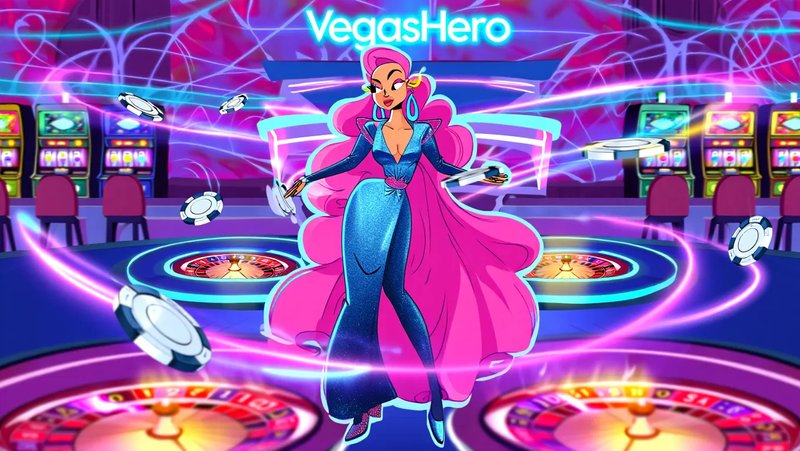
Speaking of blending gaming with other forms of entertainment, I recently stumbled upon Vegashero Casino Uk, where classic casino games meet mobile convenience. The platform lets users try out slots and table games on their phones, demonstrating how traditional gambling is adopting mobile-first strategies.
Conclusion: A New Era of On‑Demand Entertainment
Mobile gaming is no longer a niche hobby; it’s a mainstream force reshaping how the UK spends its leisure time. From AR adventures that turn city streets into battlefields, to micro‑transaction models that keep revenue streams flowing, to community events that bring strangers together, the impact is profound. As developers continue to innovate, we can expect even more intersections between gaming, social media, and other entertainment avenues—making the line between play and daily life increasingly fluid.
Frequently Asked Questions
How popular are mobile games in the UK?
Nearly 62% of UK adults own a smartphone capable of running full-size games, making mobile gaming a mainstream pastime.
What makes AR games attractive to UK gamers?
AR blends virtual elements with real-world environments, creating immersive experiences that feel almost real.
How quickly can players start a new game?
Downloads finish in under a minute, allowing players to jump into action during commutes or short breaks.